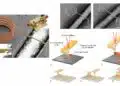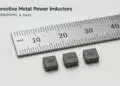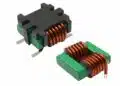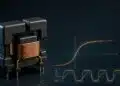


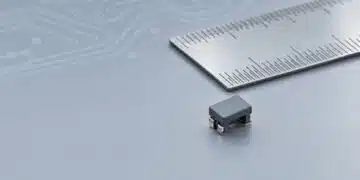

Lorandt explains the inrush capability of the chip bead ferrites Würth Elektronik eiSos WE-MPSB series, and how the peak pulse capability can be measured. He also explains the difference from standard chip bead ferrites to the pulse stable WE-MPSB series. He applies several current pulses to the components to demonstrate the pulse capability, and gives finally some tips what to consider when an input capacitor is used.
Peak current capability of chip bead ferrites explained
- Categories: Basic Concepts Inductors, e-PassiveBlog, Ferrite Beads, Inductor videos, Inductors, Inductors e-Blog, Video Channel
- Tags: Inductors explainedRipple CurrentWuerth
Related Content
Power Converter Dossier: Passive Components Design and Selection Guide 2026
By
Tomáš Zedníček
5.6.2026
Designing 800 V DC EMC Filters: Calculation, Simulation and Measurement
By
Tomáš Zedníček
4.6.2026
Bourns Offers Custom Magnetics for 3‑Phase Flying Capacitor Inverters
By
Tomáš Zedníček
3.6.2026
Passive Components in 2026: From Invisible Commodity to Design Parameter
By
Tomáš Zedníček
2.6.2026
Bourns Introduces High Current Chip Ferrite Beads for Dense Power Rails
By
Tomáš Zedníček
1.6.2026
Vishay Releases High‑Current Radial Inductors up to 209 A
By
Tomáš Zedníček
29.5.2026
May 2026 Interconnect, Passives and Electromechanical Components Market Insights
By
Tomáš Zedníček
29.5.2026
Passive Components Enable Safe and Reliable ADAS Architectures
By
Tomáš Zedníček
28.5.2026
Current Sense Transformer Datasheet and Design‑in Guide
By
Tomáš Zedníček
27.5.2026