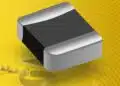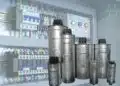






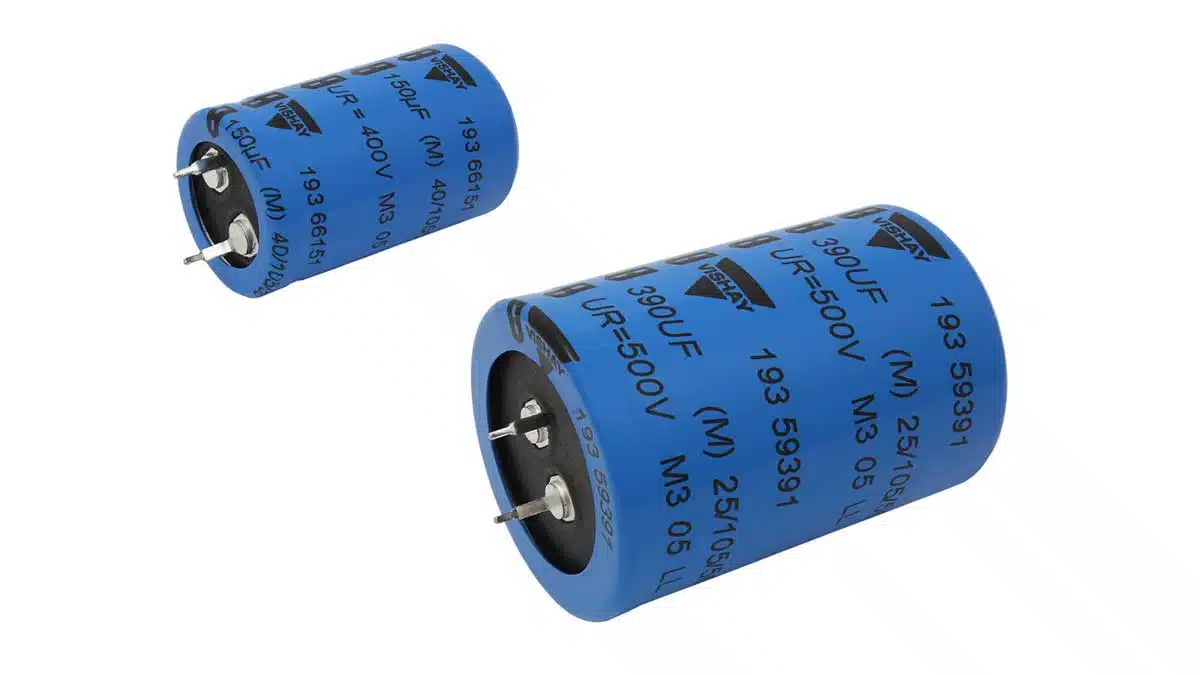
Vishay has extended its 193 PUR-SI series of miniature snap-in power aluminum electrolytic capacitors with new voltage ratings up to 600 V, targeting high-voltage DC bus and DC link stages in modern power converters.
The higher voltage range and increased ripple capability enable designers to reduce component count, simplify balancing networks, and improve system reliability in applications such as solar inverters, industrial drives, and EV/HEV power electronics.
Key features and benefits
The extended Vishay 193 PUR-SI series is part of the BCcomponents aluminum electrolytic capacitor family, optimized for compact, high-ripple DC link use. The latest variants add 550 V and 600 V rated voltages on top of the existing lower voltage range.
Key technical features include:
- Rated voltages up to 600 V for use on high-voltage DC buses.
- Ripple current capability up to 3.27 A (RMS) at 100 Hz and +105 °C, typically 10% to 30% higher than standard snap-in capacitors in similar case sizes.
- Useful life of 5000 hours at +105 °C, supporting design targets of more than 25 years’ operation at ambient temperatures up to around +60 °C in many applications.
- Available in multiple miniature snap-in case sizes, with diameters from roughly 22 mm to 35 mm and lengths from around 25 mm to 60 mm according to the manufacturer datasheet.
- Optional 3-pin keyed polarity snap-in terminal configuration for more stable PCB mounting and reduced risk of incorrect insertion.
Practical benefits for design and purchasing:
- Fewer capacitors in series: higher voltage ratings reduce or eliminate the need to stack multiple 400 V to 450 V devices with balancing resistors to cover DC bus voltages up to roughly 1100 V.
- Lower BOM and assembly cost: removal of resistor networks and fewer can sizes simplify the bill of materials and manufacturing.
- Improved reliability: fewer components and the removal of balancing resistors reduce potential failure points and leakage paths, while added voltage headroom supports longer capacitor lifetimes in real use.
- Space savings: higher energy storage per can, combined with miniature case sizes, helps shrink DC link banks or free board area.
Typical applications
The 193 PUR-SI capacitor series is positioned as a DC link and smoothing capacitor line for high-power, high-voltage converters. Typical application areas include:
- Solar photovoltaic inverters: DC link capacitors in single- and three-phase string and central inverter topologies.
- Industrial motor drives: DC bus filtering in variable-speed drives for pumps, compressors, conveyors, and general-purpose inverters.
- EV and HEV power electronics: on-board chargers, traction inverters, and battery management system (BMS) power stages where high DC bus voltages are common.
- UPS and backup systems: energy buffering and DC link smoothing in online and line-interactive UPS architectures.
- Welding equipment and high-power SMPS: filtering high ripple currents in rectifier and inverter stages.
- HVAC and other industrial power supplies: air conditioning inverters and similar high-voltage AC–DC or DC–AC power conversion systems.
Because these parts are polarized, snap-in aluminum electrolytic capacitors with a non-solid electrolyte, they are suited primarily to DC link and bulk energy storage roles rather than AC line EMI filtering or bidirectional AC coupling.
Technical highlights
While detailed numerical values should always be confirmed in the latest datasheet, the extended 193 PUR-SI range can be summarized as follows, according to Vishay:
- Technology: polarized aluminum electrolytic capacitors with non-solid electrolyte, snap-in terminals.
- Voltage range: up to 600 V rated voltage, with new 550 V and 600 V variants complementing existing lower-voltage types.
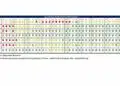
- Capacitance range: from 47 µF to 820 µF across the full series, depending on voltage and case size.
- Ripple current: up to 3.27 A (RMS) at 100 Hz and +105 °C for the high-voltage types.
- Useful life: 5000 h at +105 °C, which typically corresponds to >25 years of operation at moderate ambient temperatures when properly derated.
- Climatic category: according to IEC definitions, suitable for operation from low sub-zero temperatures up to +105 °C and for extended damp heat endurance (exact numerical category per datasheet).
- Standards and specifications: designed to comply with relevant IEC sectional specifications for aluminum electrolytic capacitors, as listed in the official documentation.
In practice, the high ripple rating means the capacitor can tolerate significant AC current superimposed on the DC bus, which is critical in hard-switched and high-power converters. The long-life rating at +105 °C is important because electrolytic wear-out is strongly temperature dependent; cooler operation in the end system can dramatically extend calendar life beyond the specified 5000 hours.
Design-in notes for engineers
When selecting and designing in the 193 PUR-SI capacitors, a few practical points can help ensure a robust DC link implementation.
Voltage selection and derating
- For DC bus voltages up to around 1100 V that previously required three 400 V to 450 V capacitors in series with voltage balancing resistors, the new 550 V and 600 V ratings allow:
- Two capacitors in series with margin, or
- A re-architected bus using fewer capacitors and no balancing network, depending on the specific topology.
- Maintain an appropriate voltage derating margin between the maximum expected DC bus (including transient overshoot) and the capacitor’s rated voltage, particularly in systems with grid or load transients.
- Using the 600 V types with conservative derating can significantly extend lifetime compared to running lower-voltage parts closer to their limits.
Ripple current and thermal management
- Use the ripple current ratings at 100 Hz and +105 °C as the baseline for design; for higher frequencies or different thermal conditions, apply the correction factors and lifetime models from the datasheet.
- Estimate the internal temperature rise of the capacitor due to ripple current and ensure the core temperature stays well below the maximum, especially in enclosed or poorly ventilated compartments.
- Combining high ripple 193 PUR-SI parts with proper PCB copper area and airflow can reduce capacitor count while still meeting thermal and lifetime goals.
Mechanical and layout considerations
- Snap-in terminals are designed for board mounting and can assist with assembly automation; the optional 3-pin keyed polarity version helps:
- Improve mechanical stability under vibration and handling.
- Reduce the risk of reverse insertion during manufacturing.
- Respect creepage and clearance around the capacitor terminals, especially at 550 V and 600 V ratings, and consider conformal coating or additional insulation in polluted environments.
- Keep high di/dt loop areas small in DC link layouts and ensure the capacitors are positioned to minimize inductance in the main current paths.
Reliability and qualification
- Use the 5000 h at +105 °C life rating together with the standard Arrhenius-type lifetime models provided by Vishay to extrapolate expected service life at the actual core temperature.
- For safety- and mission-critical systems (e.g. traction inverters, medical power), consider additional margin on ripple, temperature, and voltage, and qualify a representative worst-case configuration in hardware.
- Coordinate with purchasing so that selected 193 PUR-SI part numbers are second-sourced at the distributor level where possible, and that any PCN/PDN notices from Vishay are tracked for long-lifecycle designs.
Source
The information in this article is based on the official Vishay Intertechnology press material and associated product documentation for the 193 PUR-SI series of snap-in power aluminum electrolytic capacitors, together with the corresponding series datasheet. Engineers should always consult the latest manufacturer datasheet and application notes before final design decisions.