





Electrostatic Capacitors
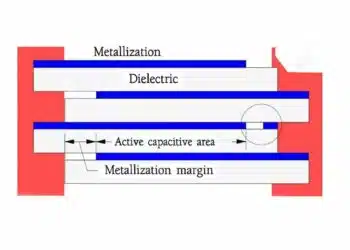
Electrostatic capacitors store energy in an electric field between electrodes separated by a dielectric. This article explains how stacking, winding, ...


Electrostatic capacitors store energy in an electric field between electrodes separated by a dielectric. This article explains how stacking, winding, ...
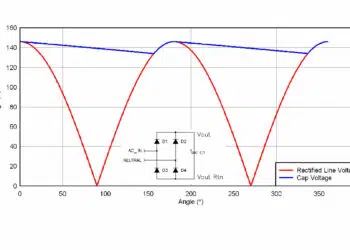
Capacitor ripple current produces internal losses and self-heating that can limit reliability, useful life and permissible operating conditions. This article ...

Capacitor surge current, transient loading and continuous ripple current impose different electrical and thermal stresses, so a continuous ripple-current rating ...

Capacitor derating means operating a capacitor below specified electrical or temperature limits to provide appropriate design margin. This article explains ...

This article describes capacitor energy content, what energy can be stored and delivered by the capacitor and what forces present ...

Capacitors are foundational elements in electronics, yet their real-world behavior includes several parasitic elements. Among these, the Equivalent Series Inductance ...

Capacitor losses dissipate electrical energy as heat and are commonly described by equivalent series resistance (ESR), dissipation factor (DF or ...

Capacitor leakage current is the small current that continues to flow under an applied DC voltage after charging and absorption ...

Capacitance calculation relates stored charge to voltage and, for simple structures, to electrode area, dielectric thickness and permittivity. This article ...
This article explains some basic parameters of capacitors - breakdown voltage / dielectric withstanding voltage and corona voltage. Key Takeaways ...

© 2015–2026
All rights reserved